


Think back to childhood in the 1990s. Evenings meant cousins from both sides of the family gathered in one courtyard. Grandparents told stories after dinner. Neighbours' children ran in and out of homes without knocking. Games needed no batteries. Friendships needed no wifi.
A child's world was full of real faces, real voices, and real touch.
That world has quietly disappeared for many children today. A phone now fills the space once filled by an uncle's teasing or a grandmother's lap. Screens have replaced courtyards. Likes have replaced laughter. This shift has come at a cost, and Bangladeshi parents need to understand what that cost is.
The hidden harm
A child glued to a screen is not simply distracted. Their brain is still developing, and constant screen exposure shapes it in ways researchers are still uncovering.
Attention spans shrink. Sleep suffers. Emotional regulation weakens. Children start to prefer a glowing screen over a warm hug, because the screen asks nothing of them and gives instant reward in return.
There is also a darker layer to this. The internet is not a childproofed space. Predators, harmful content, and exploitative apps exist alongside educational videos and cartoons.
A child left alone with a device faces risks that no previous generation faced.
Shishurai Shob, a Bangladeshi child protection initiative, has repeatedly flagged this concern. Their research notes that Bangladeshi parents themselves need to reduce their own screen time, especially when children are around, as part of protecting children from screen addiction.
Their work also stresses that countless children in Bangladesh are now spending excessive time on screens, which harms not just their eyesight but their overall development, a trend they describe as alarming.
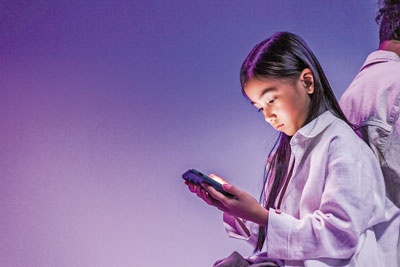
What children actually need
A child does not need more apps. A child needs more people. An uncle who wrestles with him in the yard teaches him about boundaries and physical trust.
A grandmother who braids her hair while telling old stories teaches patience and heritage. Cousins who fight over a bicycle teach negotiation. A screen can replicate none of this, however well designed.
This is not a call to remove technology from a child's life. Devices are part of modern learning and modern life. The call is for balance. A child's day should include real people before it includes a device. Study time should be guided by a parent sitting nearby, not by a tablet propped in a corner.
What parents can do
Parents can start with small, practical steps. Set fixed hours for screen use, and keep those hours away from meals and bedtime.
Encourage weekend visits to grandparents and extended family, even when it feels inconvenient.
Sit with children during their study time rather than handing them a device and walking away. Ask children what they watch, and watch some of it together.
Parents' and teachers' responsibility begins at the start. That awareness must spread through communities, since a child's protection cannot rest on any one person alone.
Bangladeshi childhood once meant a house full of people. It can mean that again. The choice sits with today's parents.
