


"When you dupe, you dupe the consumer." These were the strong words of beauty mogul Charlotte Tilbury during a BBC interview. She argued that no dupe can match the quality, formula or years of research behind an original luxury product, adding that consumers deserve products backed by innovation and scientific development.
Her comments quickly spread across social media and divided opinions. Many agreed that luxury beauty products cost more because they require years of testing, research and product development. Others asked a different question. If the original product has become too expensive for many people to buy, is choosing a dupe really being 'duped?'
The shrinking middle ground
For years, luxury beauty occupied a unique space. It was expensive, but still within reach for many middle-class consumers. Buying a premium lipstick, foundation or perfume felt like a small reward rather than an impossible purchase. That balance has changed.
Global inflation has increased the cost of raw materials, manufacturing, transportation and packaging. Luxury brands have responded by raising prices. Many products that were once considered premium now sit firmly in the luxury or even hyper-luxury category.
In Bangladesh, the effect is even stronger. Custom duties, shipping charges, retailer markups and fluctuating exchange rates push prices much higher than international retail prices.
A foundation that sells for around $50 in the United States can easily cost more than 7,000 BDT once it reaches local stores. For many, that is close to the cost of several weeks of groceries. "Skincare is not a luxury anymore. The city we live in made it compulsory. So, I have to budget at least 8,000 taka every month on skincare and beauty products, which I think will cost even more in the upcoming days," says Tahmina Ruma, who works in a private bank.
The market is becoming more divided. Some consumers can still buy luxury products without thinking twice. Then some can no longer justify the cost.
It is not only the 'middle class' asking questions
Interestingly, the conversation is no longer limited to consumers who have been priced out. Even people who can comfortably afford luxury makeup are beginning to question whether many products are worth today's prices.
Beauty enthusiasts now compare ingredient lists, wear tests and side-by-side reviews before making a purchase. The question has shifted from "Can I afford this?" to "Is this worth paying five or six times more?"
"I watch review videos and try before purchasing. It helps to find out whether a product is worth buying," says Azmeri Gias, a college student.
This change is important because luxury brands have traditionally relied on the belief that a higher price automatically signals higher quality. Today, that assumption is being challenged.
Consumers have more information than ever before. Reviews appear within hours of a product launch. Dermatologists explain ingredient lists online. Beauty creators compare products under different lighting, skin types and weather conditions. Expensive products are no longer judged only by branding. They are judged by performance.
The science behind luxury
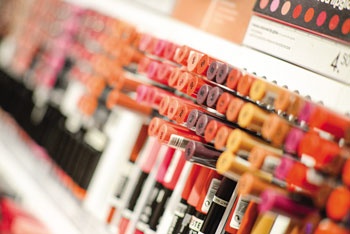
Luxury brands are not expensive without reason. Many invest heavily in research, patented technologies and years of formulation.
Premium foundations are designed to blend seamlessly into the skin, resist sweat, maintain their colour throughout the day and avoid oxidation. These improvements require scientific research, testing and strict quality control.
Consumers are also paying for the entire luxury experience. The packaging is carefully designed. Glass bottles feel heavier. Celebrity campaigns, luxury retail spaces and brand heritage all become part of the product's price.
For many buyers, these details matter. However, they also raise another question. How much of the price pays for better performance, and how much pays for branding?
The rise of the dupe economy
As luxury prices climbed higher, another market expanded just as quickly. The beauty industry is now filled with products known as 'dupes.'
These are affordable alternatives that recreate similar shades, finishes or effects of luxury products without claiming to be exact copies.
What was once a niche term among beauty enthusiasts has become one of the industry's strongest marketing strategies. Social media platforms are full of videos comparing luxury products with their affordable alternatives.
Several affordable brands now deliver performance that would have been impossible a decade ago. Companies like e.l.f., Essence and Makeup Revolution have invested heavily in product development while keeping prices accessible.
For consumers in Bangladesh, dupes are not a new trend. Long before 'dupe culture' became popular on TikTok, shoppers were already looking for affordable alternatives to expensive international brands.
Take the example of a Rhode lip gloss. An original product can cost around 3,000 BDT once it reaches local sellers. At the same time, shoppers can easily find products marketed as similar alternatives for around 150 BDT.
The difference is enormous. Naturally, many consumers choose the cheaper option. For students and young professionals, spending twenty times more on a lip gloss is simply unrealistic.
"I cannot afford what they call 'a safe and secure' foundation or lip gloss all the time. So sometimes I have to pick local brands or 'affordable' ones for my shop. I know it is dangerous, but I can't help purchasing," says Nilima Amin Purnota, who works in a local beauty shop and has to apply products regularly.
Luxury brands facing challenges
The growing popularity of dupes also creates a challenge for luxury brands. Luxury companies must continue to create products that genuinely perform better, not simply look more exclusive.
If a product costs six or seven times as much as its competitor, consumers increasingly expect six or seven times more value.
If a cheaper alternative performs almost as well or, in some cases, even better for everyday use, the expensive product becomes harder to justify.
This is why luxury brands must be strategic.
Modern consumers are more informed than previous generations. Instead of asking whether a product is luxury or affordable, many now ask whether it solves their problem. Does the foundation last all day? Does the concealer crease? Does the lipstick survive lunch? These practical questions often matter more than the logo on the packaging.
As economist Milton Friedman famously said, "There is no such thing as a free lunch." Every purchase involves a trade-off. Consumers today understand that trade-off better than ever. Paying more only makes sense if the additional value is clear.
Charlotte Tilbury is correct that a dupe is rarely an exact copy of the original. Differences in formulation, ingredients, texture and longevity often exist. Consumers should not expect identical performance from products that cost a fraction of the price.
At the same time, the rapid growth of dupes tells a broader story about today's economy and today's consumer.
Luxury brands are not necessarily losing customers because people no longer appreciate quality. Rising costs have priced some out. Others can still afford luxury products but are questioning whether the premium remains justified.
The beauty industry is entering a new phase where branding alone is no longer enough. Value, transparency and performance are becoming just as important as prestige. Perhaps the real debate is not whether dupes deceive consumers. It is whether rising prices have forced consumers to redefine what luxury is truly worth.
malihatasnim02215@gmail.com
