


A film roll in 1985 could eat up a day's wage. A studio portrait meant standing stiff under a hot bulb, holding your breath, because the exposure needed a still face. You picked up the print a week later, sometimes two. Nobody had a second take. That was Dhaka in the 80s. Not the glossy, backlit version your Facebook feed is showing you this week.
Every few months, a new AI trend convinces half the internet to see a different version of itself. First it was Ghibli faces. Now it's the 80s look — soft filters, mullets, oversised collars, a studio-light glow nobody's living room ever had. The trend keeps returning in new packaging because the appetite behind it never really goes away. But before we get to why we keep doing this to ourselves, it's worth asking what the decade actually looked like, and what it cost to be photographed in it at all.
Street Scene of Dhaka.What a photo actually cost
Old Dhaka had a nickname in the 80s: Studio Para. More than fifty photography studios lined a stretch of Hatkhola Road, and another dozen or so operated around New Market, according to accounts from studio owners who lived through that era.
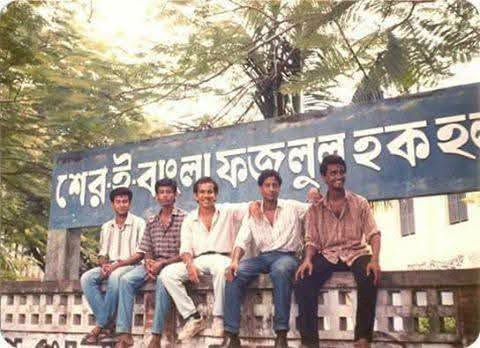 Source: RU Insiders, Facebook.
Getting your picture taken wasn't a tap on a screen. It was an event. You dressed for it. You went somewhere.
Film was expensive, and processing added to the bill. No delete button, no retake, no filter to soften a bad angle.
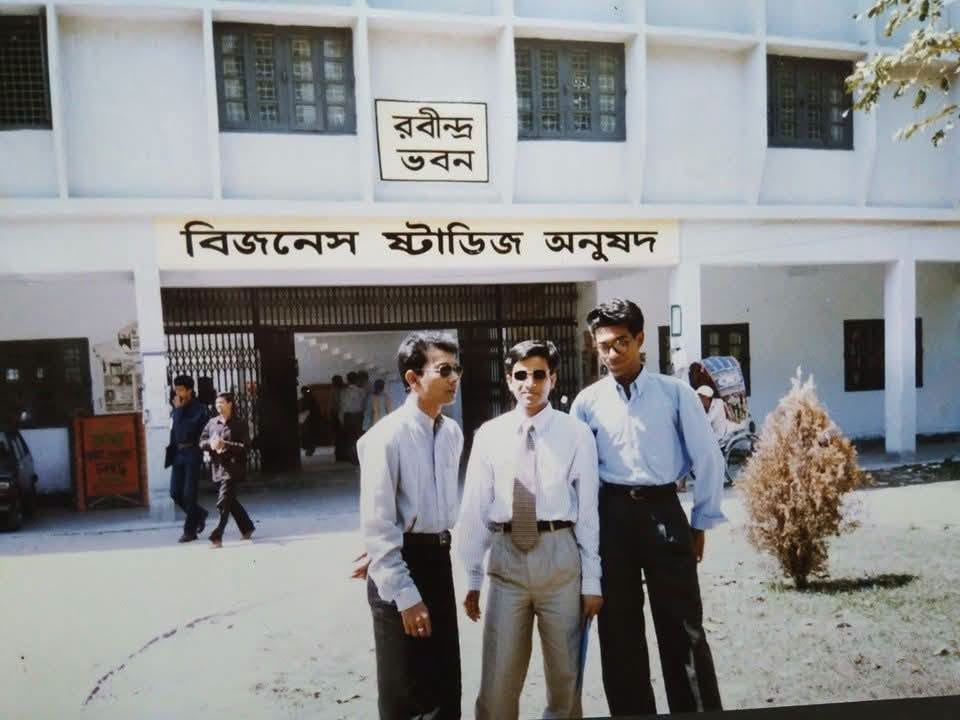 Source: RU insiders, Facebook.
Every frame had a real cost attached, so people were deliberate about when they used one: weddings, exams passed, a relative leaving for the Gulf, or Eid.
That scarcity is part of why old photographs feel different. Often they were the only shot. Now line that up against what things actually cost. Bangladesh Bureau of Statistics and Consumers Association of Bangladesh price records for Dhaka city put rice at around Tk 7 a kilogram in 1980, rising to Tk 10 by 1985. A litre of milk ran about Tk 6 to 12 over the same years.
Sugar sat near Tk 8 to 14 a kilogram, and a metre of ordinary cloth cost roughly Tk 12 to 18.
A basic saree, the kind most households would buy, cost around Tk 66 to 85. Gold, sold as a 10-gram Tezabi coin by Bangladesh Bank, rose from about Tk 272 a gram in 1980 to Tk 385 by 1985 and Tk 516 by 1987.
For scale, a starting government employee earned around Tk 1,350 a month. A camera, if a family owned one at all, was more of an asset than a gadget. Most people didn't own one. They visited someone who did.
That's the world the photo came out of. Dhaka's streets carried less traffic, buildings sat lower, and buses and rickshaws did most of the moving around.
The decade itself was rough on the country: military rule for most of it, food shortages, a government wrestling with debt and the IMF.
Clothes were practical before they were fashionable: cotton shirts, plain sarees with narrow borders, safari suits for office-going men, a comb-set hairstyle borrowed from whichever film actor was popular that year. Nothing about it was styled for a camera, because most days, no camera was around.
The AI version erases all of that friction. It hands you soft lighting no village studio ever had, skin no bulb-lit photo ever produced, and a wardrobe styled by an algorithm that has seen every 80s movie poster but never once felt a Dhaka summer.
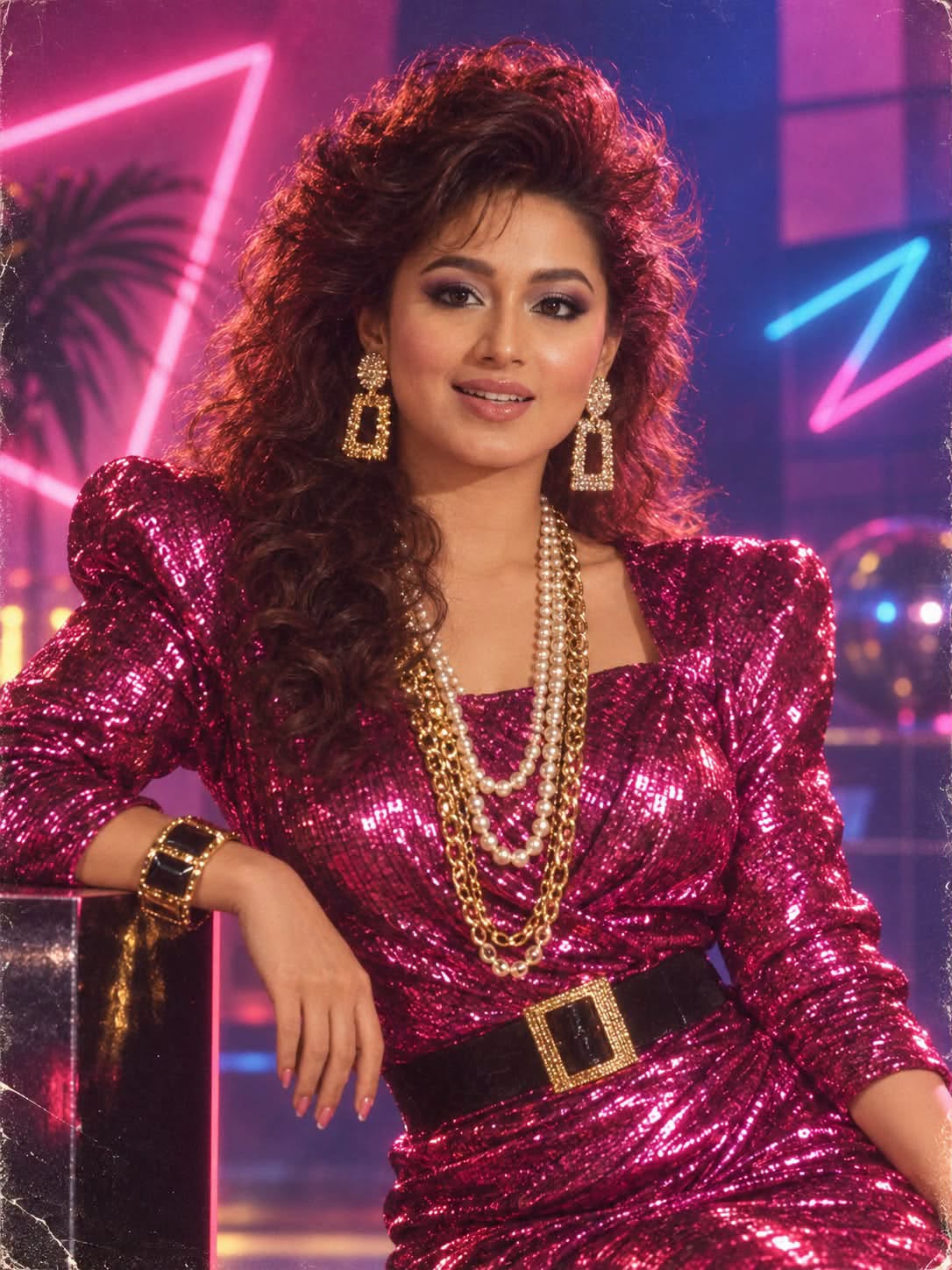 Actress Tasnia Farin. Source: Actress's Facebook page.
Why we keep doing this
The psychology here isn't complicated once you name it. There's a term for missing a time you never actually lived through: anemoia.
People studying vintage and filtered photography have pointed out that most of this longing is self-manufactured: a feeling of nostalgia the viewer creates for themselves.
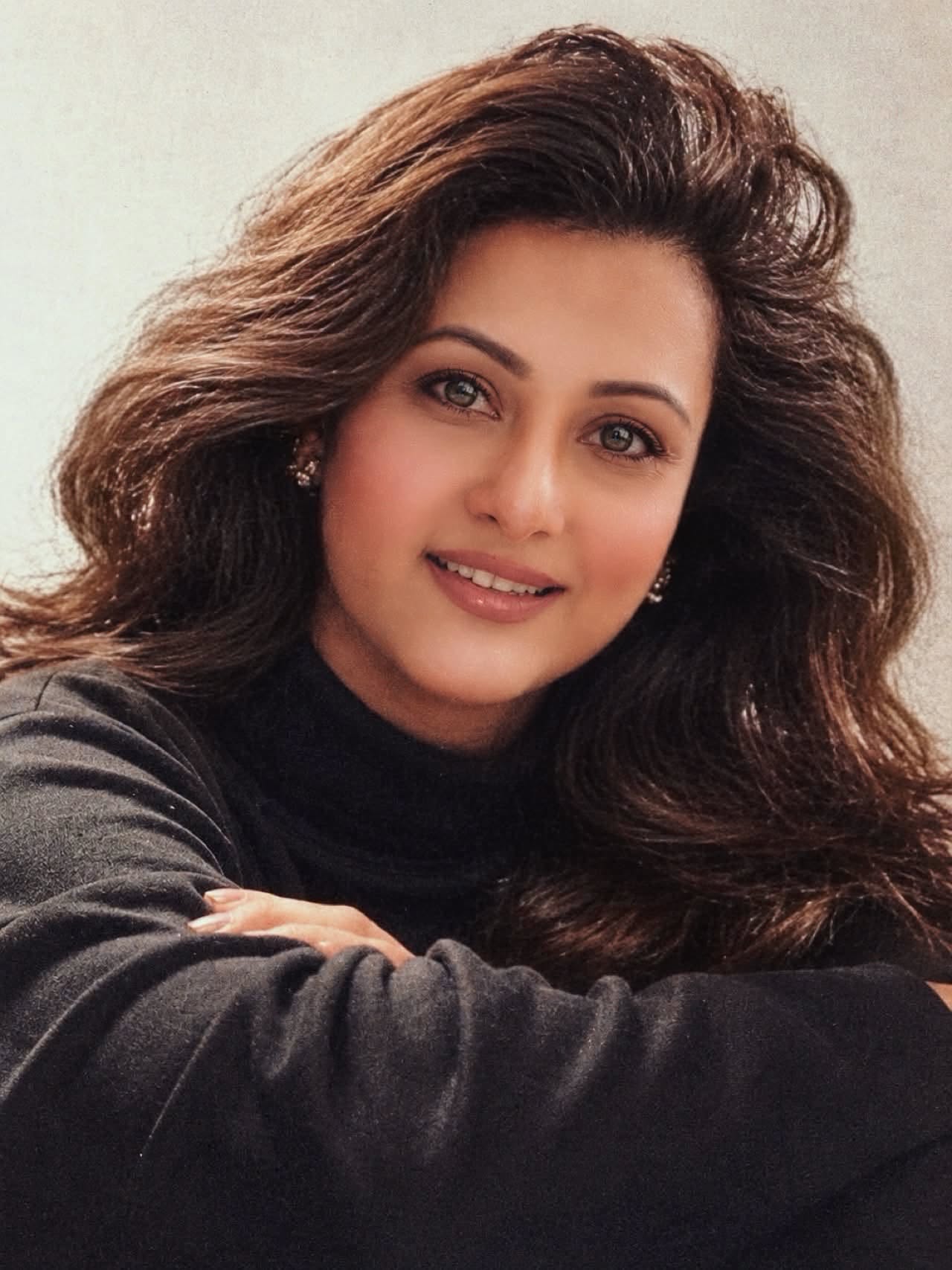 Actress Purnima. Source: Actress's Facebook page.
You don't need to have lived in the 1980s to feel something when you see yourself styled like it. The brain doesn't check receipts.
A simpler mechanic is also at work: dopamine. Nostalgic imagery tends to make people feel good, which is part of why photographers and camera brands have leaned on retro aesthetics for years to build loyal audiences. An AI trend doesn't need to be accurate to feel good. It just needs to hit the same reward circuit a real memory would.
Then there's fatigue with the present. Modern photos are sharp, corrected, and look identical to a million others online.
Some of this trend traces back to a hunger for older visual textures the imperfections that current cameras and editing tools have smoothed away.
Grain, blur, an awkward studio pose: these used to read as flaws. Now they read as proof that something is real and unedited. There's an irony in chasing that feeling through the most heavily processed technology we have.
There's also a quieter kind of identity play going on. An 80s filter lets you try on a version of yourself that feels rooted, simpler, less online.
It's the same instinct behind romanticising any era you didn't have to survive; the hard parts get cropped out automatically. Nobody's AI photo comes with a problem that they deal with in an era they never lived.
None of this makes the trend shallow. People have always used costume and image to work out who they are and where they came from.
The AI filter is just the newest, cheapest mirror available. But it's worth remembering that the real 80s wasn't lit like a music video.
It was a decade where a single photograph meant something, precisely because it cost something money, time, and the nerve to stand still in front of a stranger's camera.
